PUREVAX® Vaccines for Cats
Why Our Hospital Uses PUREVAX® for All Feline Vaccinations
At our feline‑only hospital, every decision we make is centered on the safety and long‑term health of cats. That’s why we only use Purevax vaccines.
These vaccines were designed specifically for cats and provide protection against serious diseases while minimizing certain risks associated with traditional vaccines.
What Is PUREVAX®?
PUREVAX® is a line of feline vaccines developed specifically for cats. They help protect against several serious diseases, including:
- Rabies – A fatal viral disease that can affect both animals and humans.
- Feline viral rhinotracheitis and calicivirus – Major causes of upper respiratory infections in cats.
- Feline panleukopenia (feline distemper) – A highly contagious virus that can cause severe disease, especially in kittens.
- Feline leukemia virus (FeLV) – A contagious virus that suppresses the immune system and can lead to cancer and other serious diseases.
Vaccines work by training a cat’s immune system to recognize and fight disease before exposure occurs. This allows the body to respond quickly and prevent illness if the cat encounters the disease in the future.
What Makes PUREVAX® Different?
Non‑Adjuvanted Vaccines
Many traditional vaccines contain substances called adjuvants, which are added to stimulate a stronger immune response. PUREVAX® vaccines are non‑adjuvanted, meaning they do not contain these additives.
In cats with certain genetic predispositions, adjuvants have been associated with increased inflammation at the injection site and may play a role in rare vaccine-associated sarcomas.
Why Our Hospital Chooses PUREVAX®
- Reduce unnecessary inflammation at injection sites
- Lower potential risk of vaccine‑associated tumors
- Provide effective protection against dangerous infectious diseases
- Follow a preventive care approach tailored specifically for cats
Traditional Cat Vaccines vs PUREVAX®
| Feature | Traditional Vaccines | PUREVAX® Vaccines |
|---|---|---|
| Adjuvants | Often included | No adjuvants |
| Designed specifically for cats | Not always | Yes |
| Vaccine technology | Traditional killed vaccines | Recombinant technology |
| Injection-site inflammation risk | Higher | Lower |
| Used by feline-only practices | Sometimes | Commonly preferred |
Traditional Cat Vaccines vs PUREVAX®
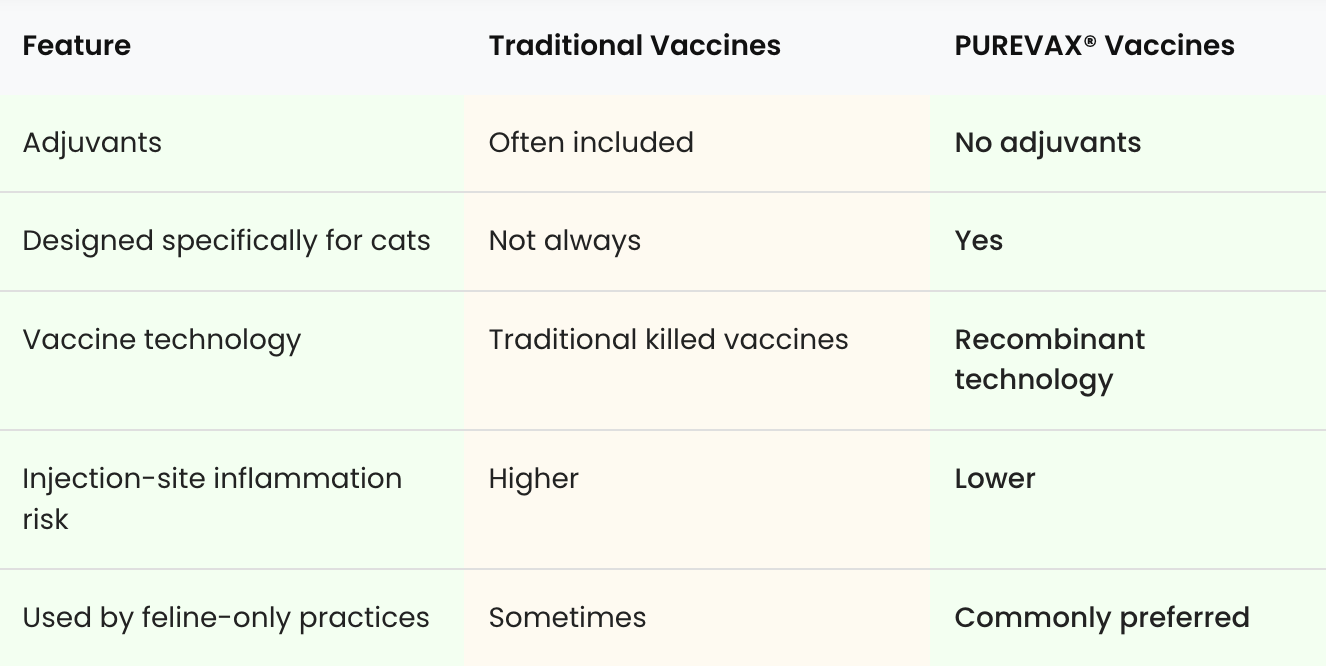
Click on photo to zoom in
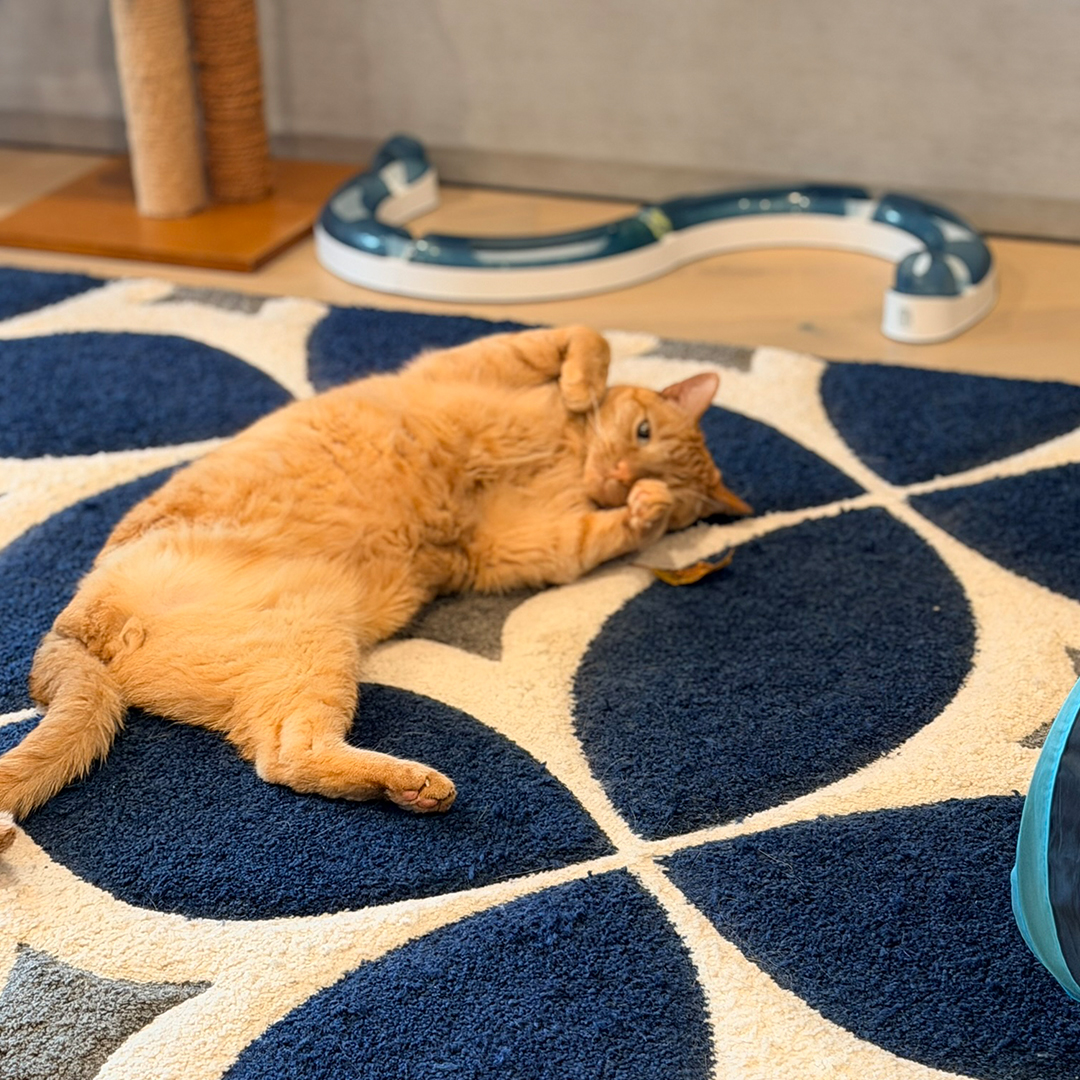
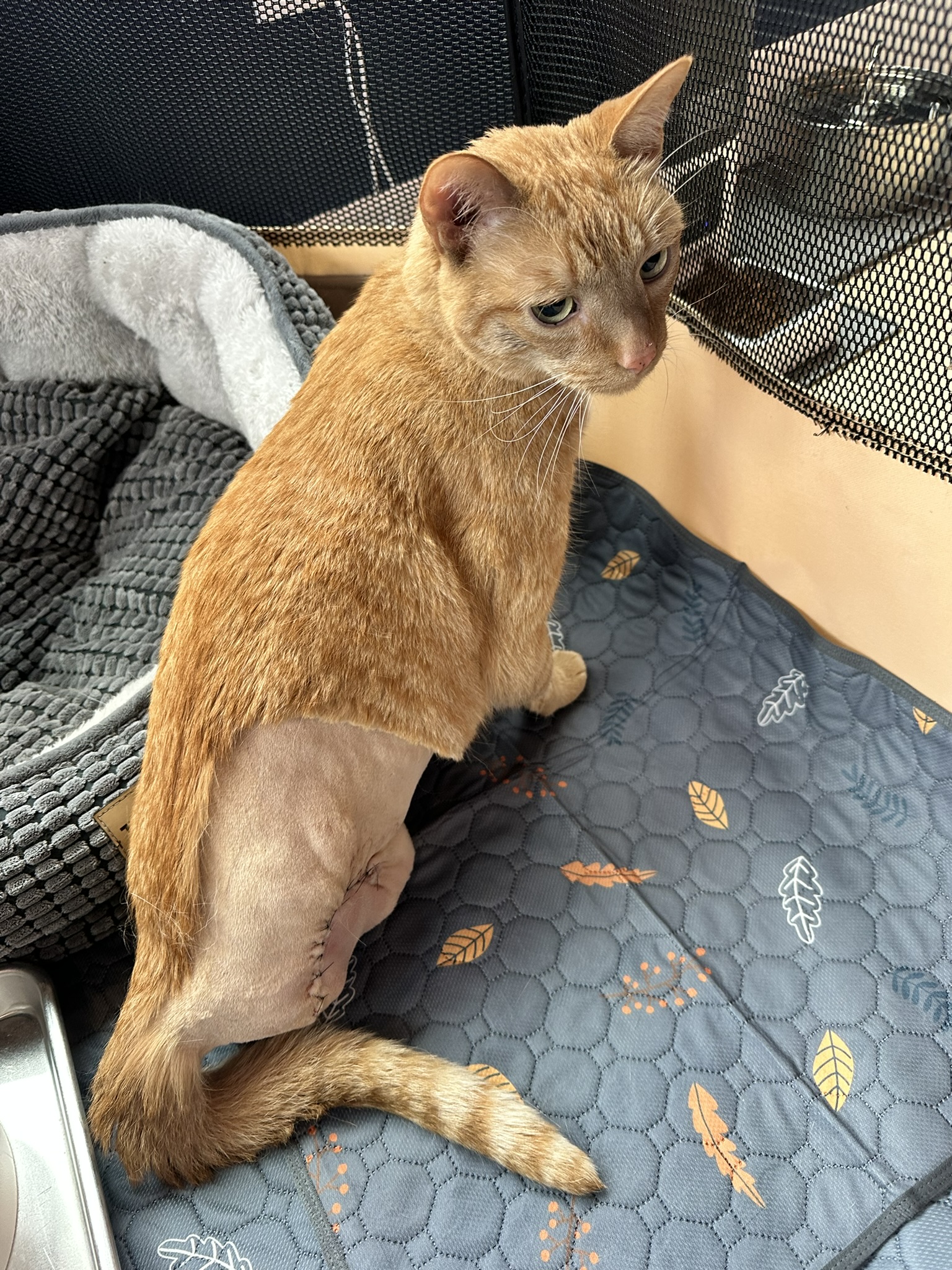
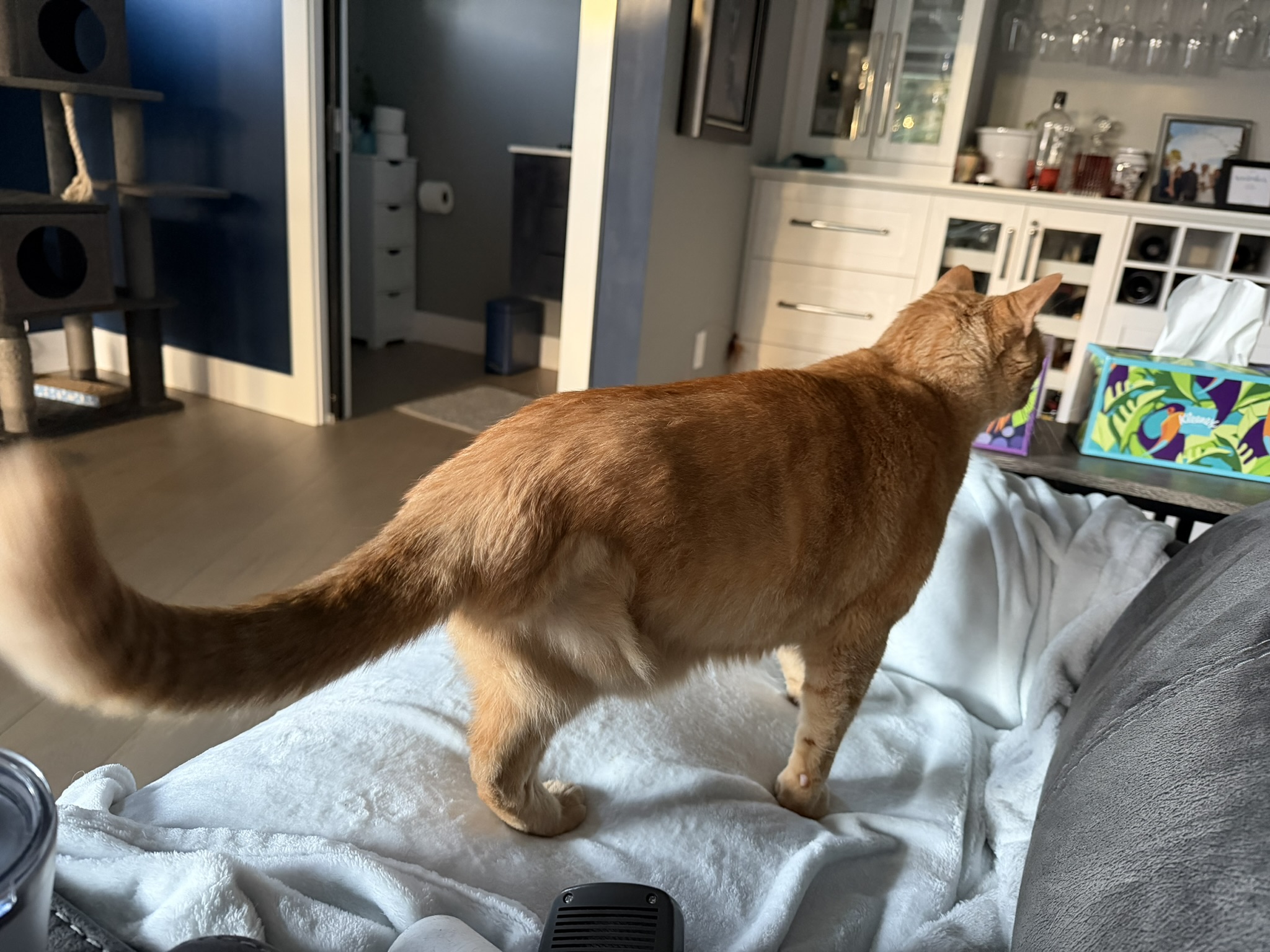
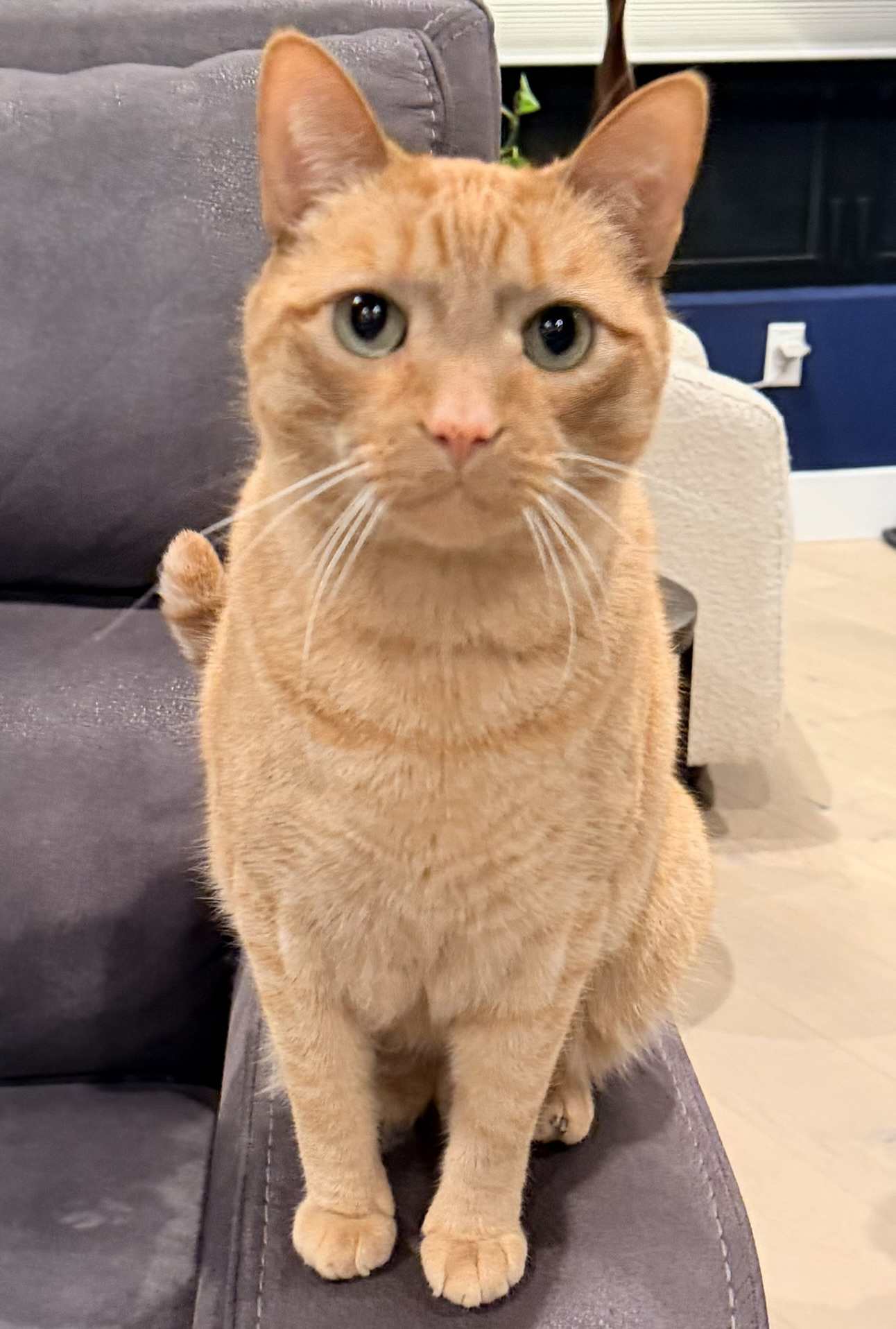
Let’s Talk About George
Meet George, a bright orange tabby who just celebrated his 7th birthday and a patient at our hospital. In 2025, George was diagnosed with a vaccine-associated sarcoma, a rare but serious cancer that can occur at injection sites in cats. The tumor developed from a vaccine he received earlier in life at a different hospital. Despite early intervention, George ultimately required amputation of his leg to remove the cancer and give him the best chance at a healthy future. Today, George is thriving and enjoying life as a happy tripod cat. His story is one of resilience—and it’s also one of the reasons our hospital is committed to using non-adjuvanted PUREVAX® vaccines to help reduce the risk of injection-site inflammation in cats.
Frequently Asked Questions
Why does your hospital only use PUREVAX® vaccines?
Our hospital focuses exclusively on feline medicine. Because PUREVAX® vaccines are non‑adjuvanted and designed specifically for cats, they align with our goal of providing the safest preventive care possible.
What is a vaccine‑associated sarcoma?
A vaccine‑associated sarcoma is a rare cancer that can develop at the site of an injection in cats with certain genetic predispositions. These tumors are uncommon, but reducing inflammation at injection sites may help reduce risk.
Are PUREVAX® vaccines still effective?
Yes. PUREVAX® vaccines are fully licensed and widely used in veterinary medicine. They stimulate a protective immune response using recombinant vaccine technology.
Are these vaccines required?
Some vaccines, such as rabies, are required by law. Others are recommended based on your cat’s lifestyle and risk factors.
Are vaccine reactions common?
Most cats experience no side effects beyond mild sleepiness or soreness for a day. Serious reactions are rare.
Why do indoor cats still need vaccines?
Indoor cats can still be exposed to viruses through open doors, visiting pets, human clothing, veterinary visits, or boarding.
How often does my cat need vaccines?
Vaccination schedules depend on age, lifestyle, health status, and previous vaccination history. Your veterinarian will recommend a schedule tailored to your cat.