
Heart Disease in Cats
Heart disease is one of the most common conditions we diagnose in cats, yet many affected cats appear completely normal at home.
Cats are masters at hiding illness
Unlike dogs, cats rarely develop a cough when they have heart disease and often hide subtle changes until the disease is advanced. That's why routine wellness exams and early screening are so important.
What is feline heart disease?
The most common form of heart disease in cats is hypertrophic cardiomyopathy (HCM), a condition where the heart muscle becomes abnormally thickened. This makes it more difficult for the heart to relax and pump blood efficiently.
Some cats live for years without obvious symptoms, while others may eventually develop congestive heart failure or dangerous blood clots.
Signs of heart disease in cats
Heart disease doesn't always look the way people expect. Watch for:
- Increased resting respiratory rate
- Fast or labored breathing
- Open-mouth breathing or panting
- Unexplained weight loss
- Decreased appetite
- Lethargy or sleeping more
- Hiding or behavioral changes
- Weakness or collapse
- Sudden difficulty walking or using the back legs
Any breathing difficulty or sudden loss of function in the back legs is considered an emergency.
Meet Murray
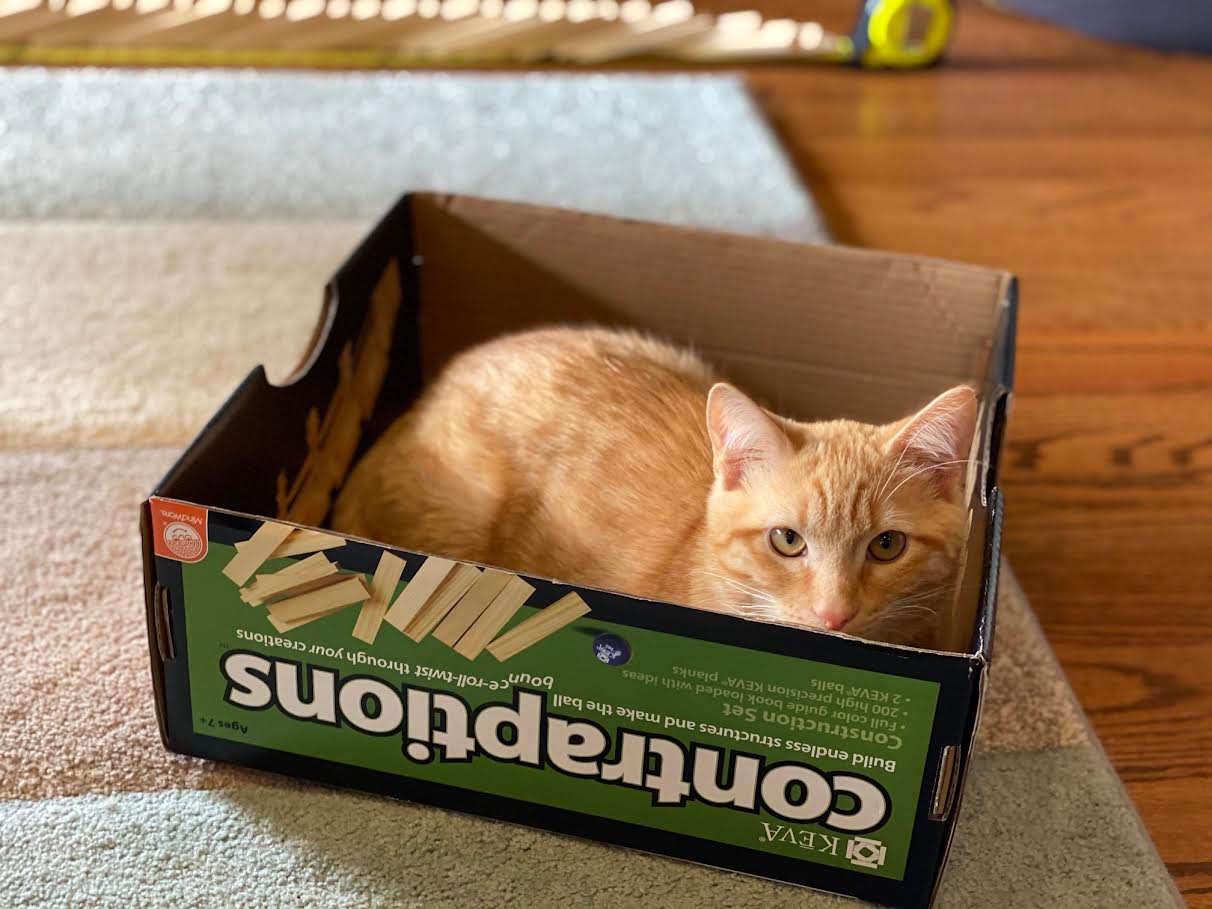
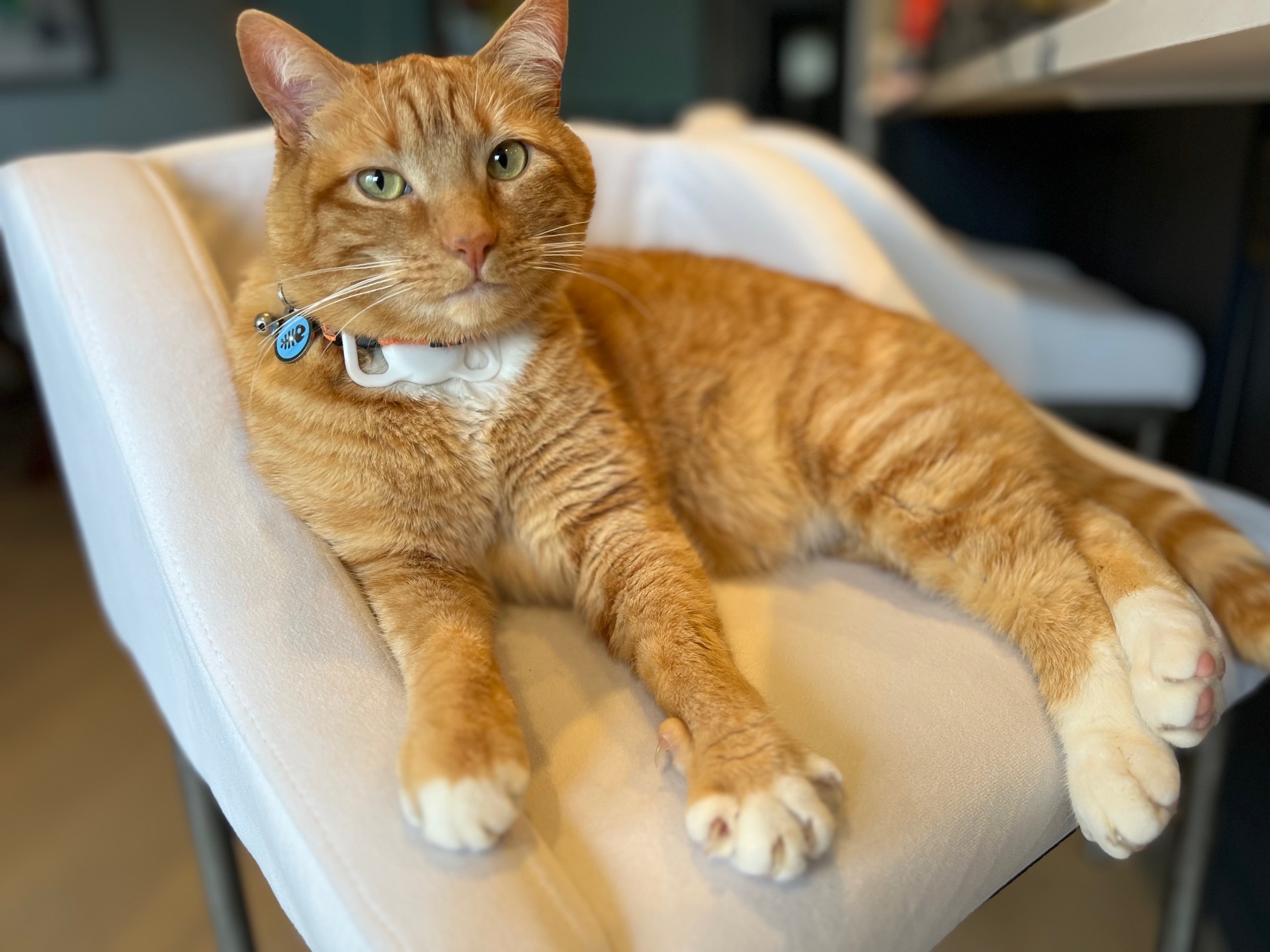
This beautiful orange boy came in for something unexpected: a limp.
At first glance, a limp doesn't immediately make most people think about heart disease. However, after further evaluation, we discovered he had actually thrown a blood clot to his leg, a serious complication of advanced heart disease.
Additional testing revealed significant underlying cardiac disease that had never been diagnosed because he had shown very few outward signs beforehand.
Had he not come in for that unusual symptom, his heart disease may have remained hidden much longer.
This case serves as an important reminder that cats don't always present with classic signs, and even seemingly unrelated changes can uncover serious underlying conditions.
If something feels "off" with your cat, trust your instincts and schedule an evaluation.
How we diagnose heart disease
Diagnosing heart disease often involves several tools working together.
Your veterinarian may recommend:
- A thorough physical examination
- Blood pressure measurement
- Bloodwork, including thyroid testing
- proBNP blood screening
- Chest X-rays
- Electrocardiogram (ECG)
- Echocardiogram (cardiac ultrasound)
An echocardiogram performed by a veterinary cardiologist is the gold standard for evaluating your cat's heart structure and function.
Why early detection matters
Early diagnosis allows us to:
- Monitor disease progression
- Develop safer anesthesia plans
- Identify related conditions
- Refer to a cardiologist when appropriate
- Begin treatments like Felycin sooner when needed
- Help your cat maintain a better quality of life
We're here to help protect your cat's heart.
Whether your cat has a newly detected murmur, belongs to a breed at higher risk for heart disease, or simply hasn't had a wellness exam recently, we're here to help.
Because cats are so good at hiding illness, routine screening and paying attention to even subtle changes can make all the difference.
If something about your cat seems different—even if it's as unexpected as a limp—don't ignore it. Sometimes the smallest clues lead to life-saving diagnoses.